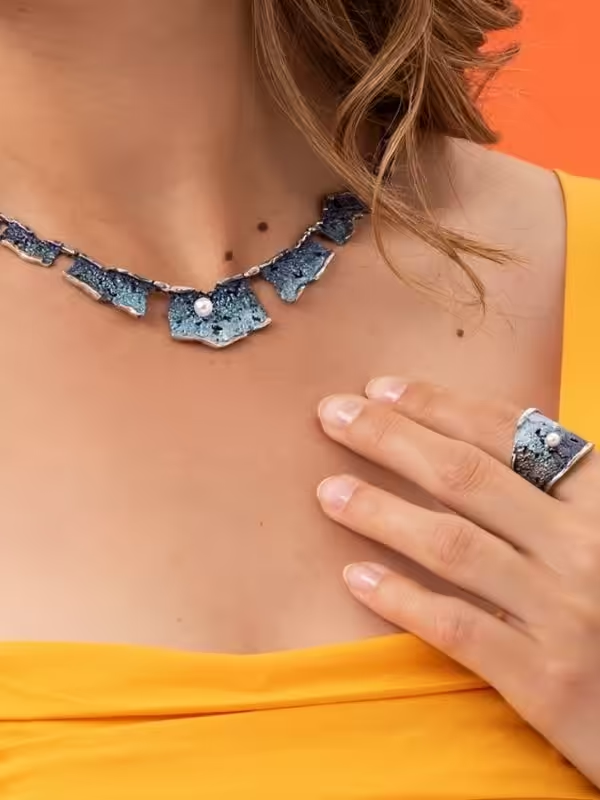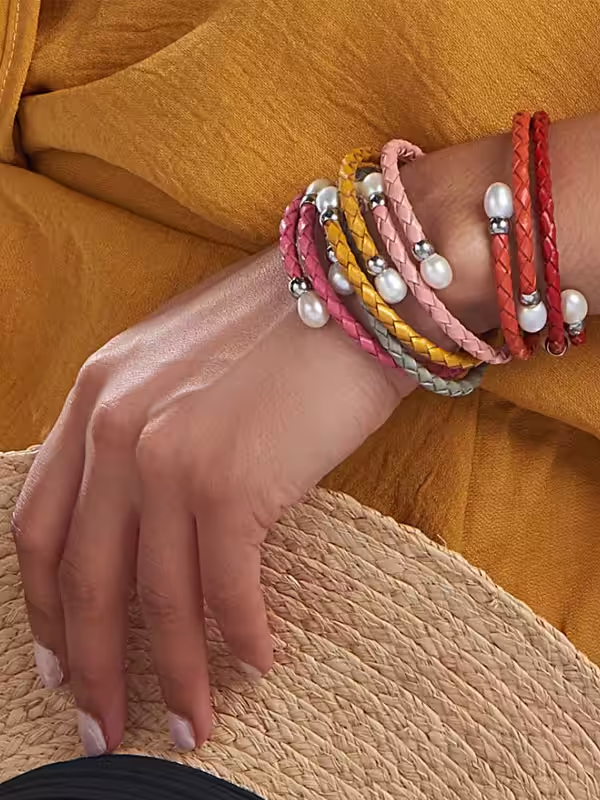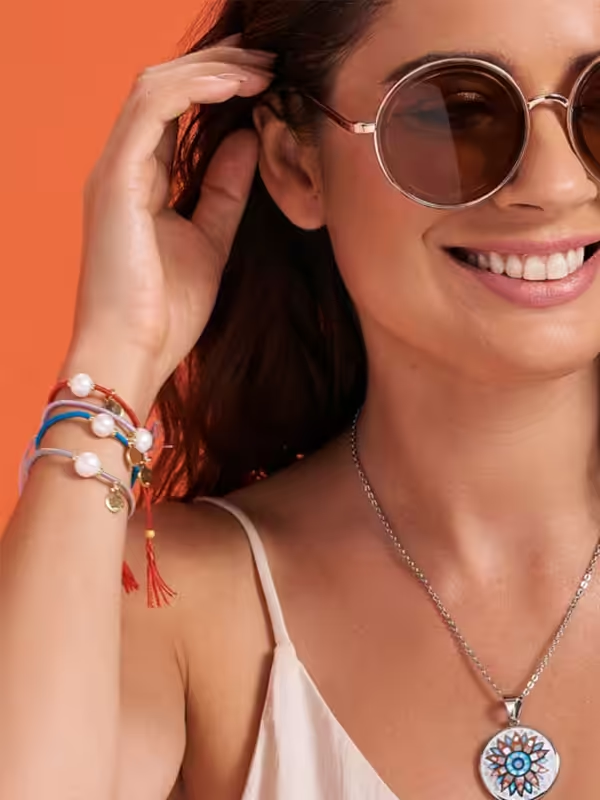


Pearls are one of nature’s most fascinating creations. Just as each plant produces its own unique flower, different mollusc species produce different types of pearls. This natural variation gives us an incredible choice of size, colour, shape, lustre and price.
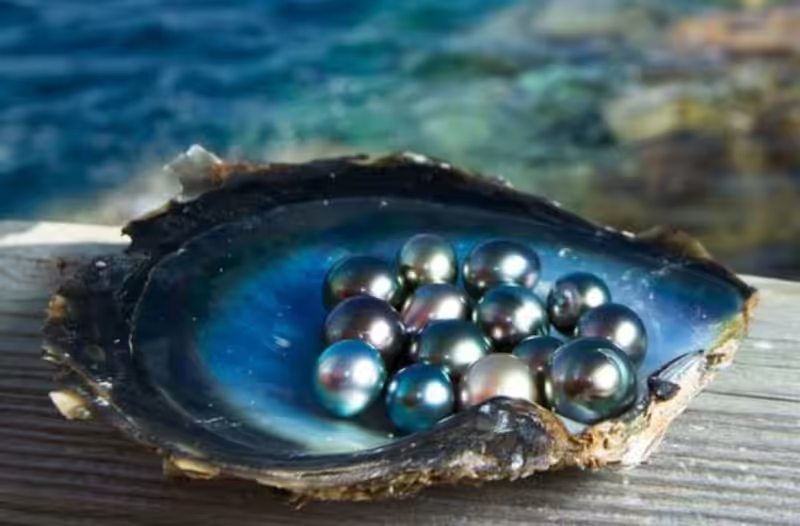
Tahitian pearls
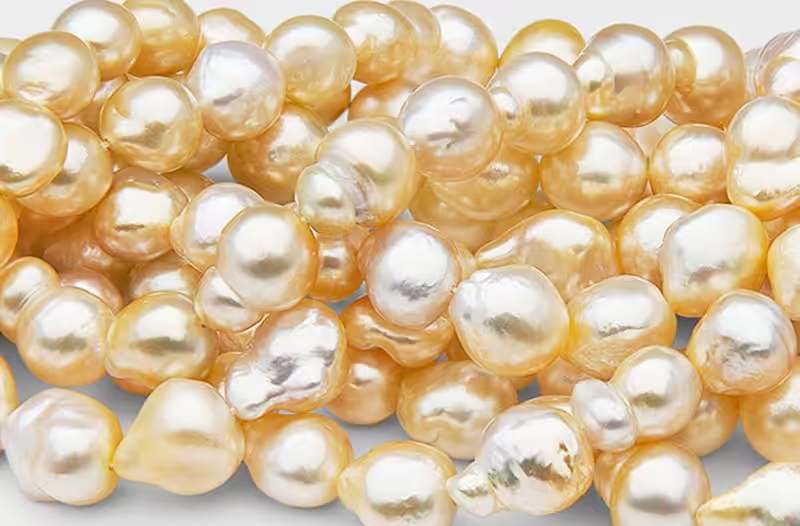
South Sea pearls
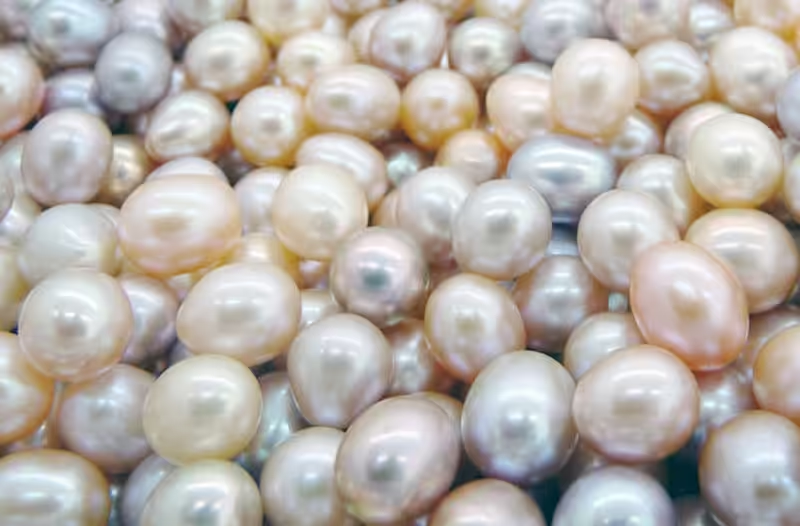
Freshwater pearls
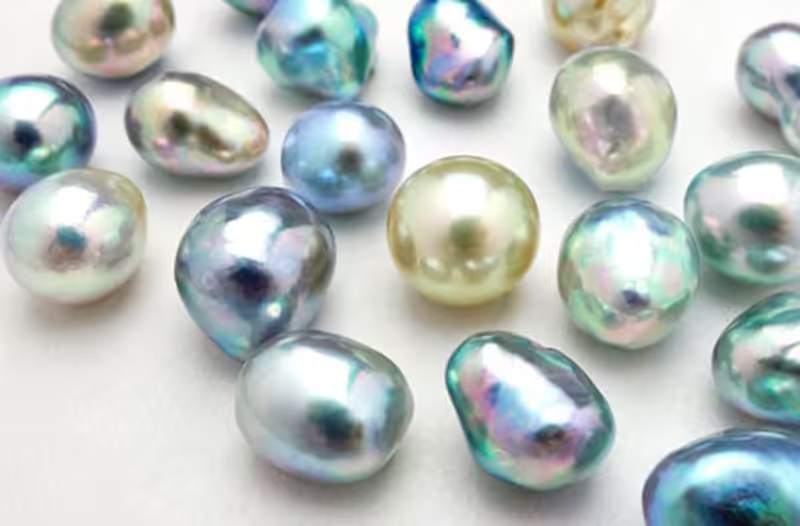
Akoya pearls
PEARL TYPES
Of the 50,000 types of molluscs in the world, only four are used to farm pearls. These produce the four major pearl types: Akoya, South Sea and Tahitian pearls, which grow in the sea, and Freshwater pearls, which grow in lakes and rivers.
Each type has its own distinct beauty and characteristics.
Here’s more information on each pearl type.
HOW PEARLS ARE GROWN
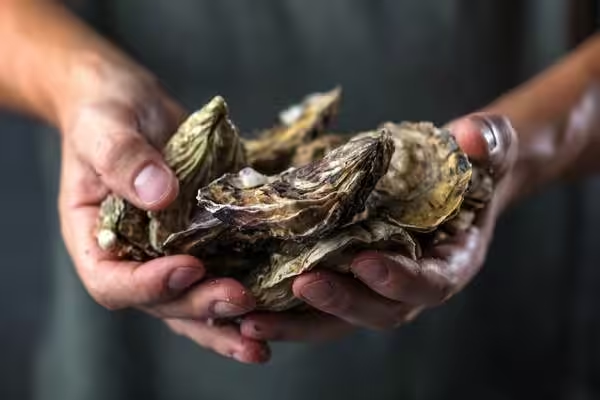
Unlike diamonds or precious metals, pearls are formed by living creatures. Oysters and mussels produce pearls as a natural defence mechanism, layering nacre around an intruder to protect themselves.
This remarkable biological process is what gives pearls their unique glow.
UNIQUE & PRECIOUS
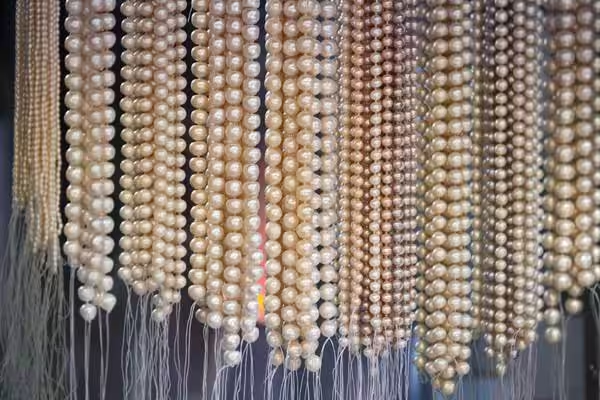
One of the great things about pearls is that they’re so diverse, they vary in terms of size, colour, design, quality and price, so much so, that no matter what your taste or budget, you’ll be able to find the perfect pearl jewellery for you.
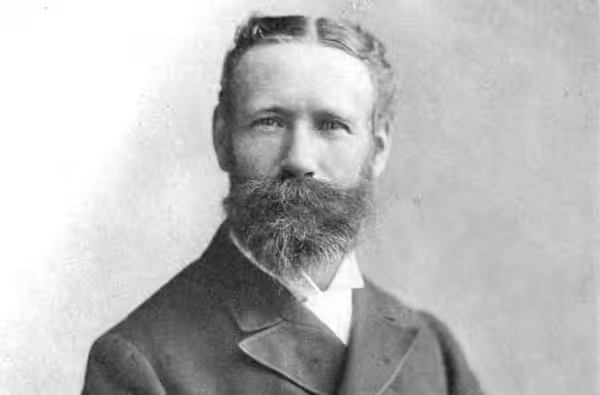
William Saville-Kent
NATURAL & CULTURED PEARLS
Natural and Cultured pearls are both real pearls. The difference is that pearl farmers have initiated the process of forming a cultured pearl, whereas natural pearls started growing by chance in the wild. Here’s a look at how we started farming pearls.
Pearls are our oldest known gem. Records have been found showing that Egyptians wore Mother of Pearl jewellery over 5,000 years ago, and there’s a text written in China describing a pearl that’s more than 4,500 years old.
The first cultured pearl was produced by an Englishman in Australia called William Saville-Kent but it was in Japan that this revolutionary development really took hold.
Today, almost all pearls worn worldwide are cultured.
GRADING PEARLS
Pearls are valued based on several key factors. According to the Gemological Institute of America (GIA), these grading factors include size, lustre, shape, colour, surface quality, nacre thickness, and matching.
Understanding these characteristics will help you choose the perfect pearl for your style and budget.

PEARLS AND THE ENVIRONMENT
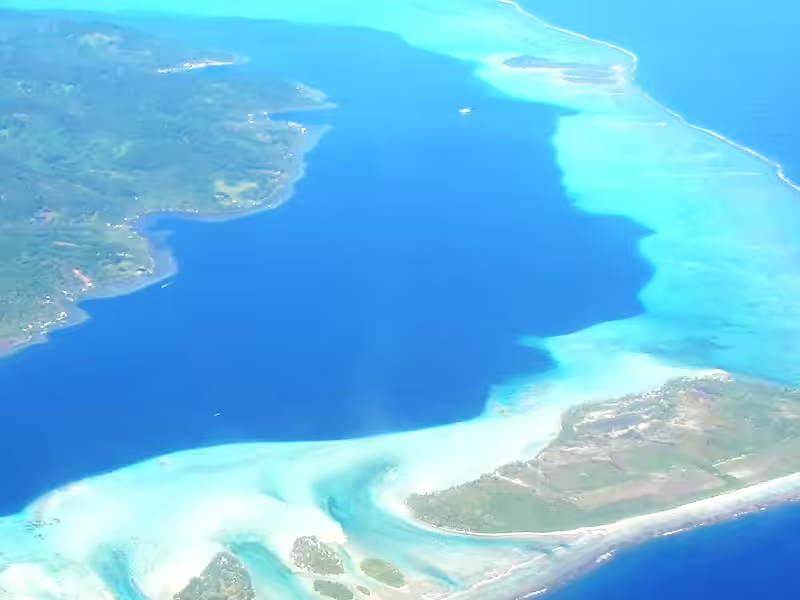
Pearl-growing oysters are extremely sensitive to pollution. For this reason, pearl farms are often located in some of the cleanest, most biodiverse waters in the world. Responsible pearl farming helps protect marine ecosystems and encourages sustainable practices.
Every pearl is unique. Whether you prefer the classic elegance of Akoya, the softness of Freshwater, the drama of Tahitian or the grandeur of South Sea, each type has its own story.
Take a closer look at pearls and our Carbon Neutral work here.
DISCOVER OUR PEARL JEWELLERY
Be inspired by some of the pearls you can expect to see in store.